In Australia, 4.4 million people (1 in 6) have a disability. The health sector is undergoing rapid reform and there is an increasing emphasis on the need for all health professionals to better understand and respond to the needs of people with disability.
Historically, there have been very few educational opportunities or resources to support dietitians to work safely and effectively with people with disability in contemporary dietetic practice.
To address this gap, in 2020, Dietitians Australia partnered with the Australian Federation of Disability Organisations (AFDO) to develop an education program and resources to support dietitians to work with people with disability.
The project is funded by the Department of Health, Disability and Ageing.
The project concluded in June 2026, however, Dietitians Australia remain committed to amplifying its impact through the our online presence, which will support the ongoing promotion, adoption, and dissemination of program resources. Through this legacy work, we aim to ensure that the knowledge, partnerships, and achievements established through the program continue to strengthen inclusive dietetic practice and deliver lasting benefits to the disability community.
The Capacity Building in Disability for Dietitians (CBDD) project aims to enhance dietitians’ knowledge, skills and confidence to respond to the needs of people with disability and improve access to timely, inclusive, relevant and high-quality dietitian services.
Published video introduction to project and course:
|
Emily shares some of her life with us | Emily's story |
|---|---|---|
|
Clarke's story, part of the Introduction to disability and inclusion for dietitians online course | Clarke's story |
|
Michelle provides an overview of the 3 components of the Capacity building for dietitians education program. | Michelle's story |
|
Tess shares her story regarding vision loss as part of the Introduction to disability and inclusion for dietitians online education program | Tess's story |
|
Ruby shares their experience living with an invisible disability | Ruby's story |
About the project
The project captured the perspectives of people with disability, family, carers and dietitians, to inform the development of the education program and resources. An Advisory Group informed the development and implementation of the program. Various research and evaluation methods were applied across the life of the project. Dietitians Australia is immensely proud of the achievements realised through this program and extend our sincere gratitude to the Australian Government Department of Health, Disability and Ageing for its investment and support through the initial and extensions of grant funding across the 6 years.
Dietitian Australia has used the grant funding to:
- Conduct a needs assessment in June 2020 – July 2021 to inform the development of an education program and resources. This involved a rapid desktop review and consultations with people with disability, families, carers and dietitians.
- Across August 2021 – October 2022 Dietitian’s Australia co-designed an education program to enhance dietitians’ knowledge, skills and confidence to work well with people with disability. This included a 5-module online course, 5 online workshops and a pilot supervision program.
- Across October 2022 – January 2023 the online course, workshops and supervision program were launched and researchers gathered data on the effectiveness of these activities.
- Across 2024, a webinar series launched 10 webinars developed in collaboration with various stakeholders across dietetics and disability (including AFDO). Highlights include lived experience perspectives included in the webinars and a vast range of expertise from clinical dietitians working within disability.
- Across 2025, the webinar series to produce a further 9 webinars. Highlights include the consideration of cultural inclusivity and intersectionality in disability as well as addressing the impact of accessibility for persons with disability accessing healthcare. Furthermore, 2025 saw the online introductory course reviewed and updated as well as 3 highly successful clinical focus in-practice workshops being produced in live format and short LMS modules.
- Across 2026, several key educational activities were expanded. This included, a new advanced course being developed to target dietitians with an intermediate level of knowledge and experience. Two of the clinical focus in-practice sessions, were also expanded upon to add lived experience video content. The pilot supervision program was duplicated in 2026, whereby 8 highly skilled and experienced supervisors to hosted group supervision sessions. Furthermore, we developed small series of resources to enhance dietitians engagement in supervision and address challenges within the disability sector that are commonly explored in the supervision space. Finally, the publication papers were developed and finalised for submission to reflect the findings of the early iterations of this project.
The CBDD project aims to have lasting impact for dietitians and the broader healthcare sector, this includes:
- More informed understanding, knowledgeable and confident dietitians who work well with people with disability
- Better access to high quality, inclusive dietitian services for people with disability
- Education and resources to support dietitians to work in the disability sector.
Legacy and Amplification Pack:
To consolidate the work of the Capacity Building in Disability for Dietitians project, we have created a Legacy and Amplification Pack.
Researchers from the Centre for Health Service Development (CHSD) were engaged to interview dietitians who had completed the program to explore their experience of the program and its impact on practice. This qualitative study aimed to complement the evaluation conducted by Dietitians Australia.
Key project activities
Online courses
Introduction to Disability and Inclusion for Dietitians Course
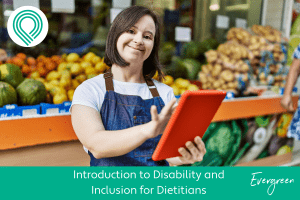
This self-paced course delivers the learning outcomes to increase the capacity of all dietitians to confidently deliver the best possible nutrition care to people with disability.
There are 5 modules in this course (listed below) and downloadable workbooks:
- Disability foundations
- Health and function
- Communication
- Supporting people with a disability where they live, work and play
- Navigating funding.
Feedback from dietitians who completed the introduction course was very positive, with evaluation data showing dietitians gained knowledge across a wide range of topics related to disability rights and inclusion and they intend to apply learnings to practice.
Anonymous survey feedback from a dietitian who completed the course:
"The course has deepened my understanding of accessibility, communication, and individualized support for clients with disabilities. I now feel more equipped to provide inclusive, person-centered care that accommodates diverse needs."
Advancing Care in Disability for Dietitians
This self-paced intermediate course is designed to support all dietitians to improve their confidence and skill working with people with disability and across the multidisciplinary team.
There are 4 modules in this course (listed below) and downloadable workbooks:
- Understanding complexity through a disability lens
- Effective collaboration
- Creating meaningful change
- Working through complex advanced practice scenarios
Webinar series
Across 2024, Dietitians Australia hosted a series of webinars facilitated by AFDO and Dietitian’s Australia members. These webinars explored a range of perspectives of disability including navigating healthcare and support systems, modern models of care, lived experience, and medical nutrition therapy.
These webinars discuss the diverse experience of disability and working within this sector, with exploring topics such as intellectual disability, tube feeding, neurodiversity, multiple sclerosis and even a gold medal Paralympian!
You can access these webinars on the Dietitians Australia Shop.
Empowering NDIS Home Tube Fed Clients
Amplifying the Impact of Dietitians within the NDIS
Key Considerations Supporting Neurodivergent Clients
Perform Your Best for Paralympic Success
Supporting Clients with Neurological Disabilities: MS
Application to Practice and Navigating the NDIS: MS Study
Intellectual disability: Implications for Nutrition
Intellectual disability: Nutrition Care Process
Lived Experience of Autism (AFDO facilitated)
Patient Centred Care for Clients with Physical Disabilities (AFDO facilitated)
Lived Experience with Down Syndrome
Intersection between First Nations communities, health and disability
The Impact of Invisible Illness on Dietary Needs
Creating Accessible Resources: Practical Tips and Tools to Enhance Communication
Troubleshooting Tube Feeding Challenges in the Community
Embedding Responsive Feeding Values into Paediatric Disability Practice
Understanding Supported Decision Making & Informed Consent in Disability (AFDO facilitated)
A Matter of Equality: Embedding Accessibility into Dietetic Practice
Cultural Competence In Disability: Considerations for Eating Practices
In-practice sessions
The Dietitians Australia Policy and Advocacy team and Education Centre delivered 3 online live full day In-Practice workshop sessions. The live sessions were not recorded, yet an LMS hub of resources have been developed by the speakers to provide a depth of knowledge.
The LMS hubs for these workshops are accessible via the DA shop.
- Optimising Dietetic Care for People with Neurological Disabilities | Dietitians Australia
- Providing Person Centred, Trauma Informed Nutrition Care for People Living with Psychosocial Disabilities
- Paediatric Disability Made Practical: A Dietitian’s Guide to Confident, Effective Care.
Previously run in-practice sessions
We delivered small group workshops with robust discussions and interactive activities including case studies and role plays to deepen knowledge and practical skills:
- NDIS Basics in Practice
- Supporting Clients with Communication Disability in Practice
- Mealtime Management in Practice
- A Focus on Function in Practice
- NDIS Reporting in Practice.
Supervision
The proposed aim of supervision within the CBDD program was to:
- To improve dietitians’ knowledge, skills and confidence to effectively manage the needs of people with disability.
- To increase dietitians’ understanding of the role of a dietitian within the multidisciplinary team, funding streams and various healthcare settings when providing support to people with disability.
Pilot Supervision Program (2022)
Several monthly group supervision sessions were provided to support dietitians to implement learnings in the online course and workshops. Participants recorded their involvement by setting learning goals and engaging in reflective practice.
The video below, featuring one of the supervisors (Michelle Lane, APD), explores more about this pilot program.
Nourish and Navigate: CBDD Supervision Program (2026)
Due to the success of the Pilot Supervision program and the growing role of supervision in dietetic practice, the program was duplicated in 2026. This saw 8 highly skilled and experienced supervisors to host online small supervision groups sessions monthly, across 6 months.
Furthermore, one of the supervisors, Maddie Todd (APD) was recruited to develop a short suite of resources to enhance dietitians understanding and engagement in supervision, specific to disability practice.
- Understanding the NDIS Process for Dietitians
- Ethical Decision Making Framework for Dietitians in Disability
The supervision program has been one of the most successful and valued activities within the project. General feedback and evaluation findings have shown dietitians significantly benefit from online group supervision and perceive this is likely to lead to benefits for people with disability.
Anonymous survey feedback from a Dietitian supervisee in 2026 supervision program:
“My dietetic approach with some more complex participants has now changed and I can implement some new strategies that may work better for them. Hopefully this means participants receive better care and the level of care they require.”
First Nations resources for dietitians and community
We have collaborated with First Peoples Disability Network to create 4 written resources to support Dietitians working in this sector and build healthier eating habits within First Nations Communities.
These resources were drafted and reviewed in consultation and active collaboration with First Nations Dietitian Maci Polley from the Melukerdee tribe, originating from southeast Tasmania
These resources include:
2 x Strength-based guides for Dietitians to enhance their knowledge of culturally appropriate dietetic care.
Inclusive care - supporting First Nations peoples with disability
Building relationships - culturally safe dietetic care for First Nations peoples with disability
2 x Easy to Read written handouts for First Nations peoples to learn healthy eating habits aligned with cultural values and considerations including, access to Deadly foods, affordable nutrition and preventing common health conditions that can lead to disability.
Healthy eating for strong bodies and minds
Food and health - understanding diet-related conditions (diabetes and malnutrition)
Co-facilitated Sean and Marley cooking video series
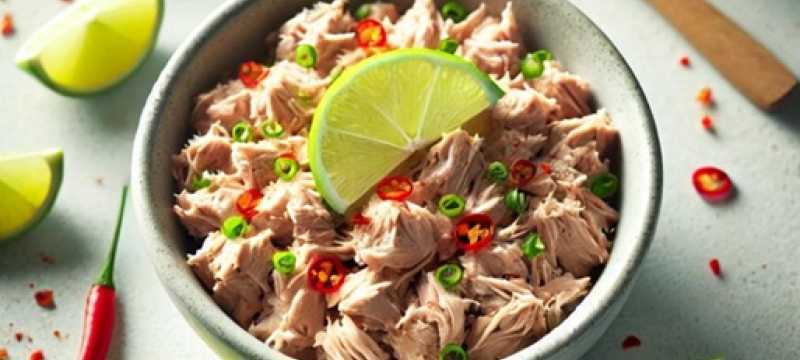
Dietitians Australia teamed up with the Get Down with Sean and Marley YouTube Cooking channel. This video targeted primarily at health professionals, is intended to be used as educational resources to upskill and enhance their capability to work with people with disability to support their nutrition needs. Dietitian Michelle works with Sean, Marley and Chef Cammie to create a nourish bowl. Dietitian Michelle explains to her co-host and viewers how food and nutrition can improve a persons function.
Accessible recipes
To bring the learnings from this project to life, we have used the recipes and meal ideas from the Sean and Marley cooking episode to create accessible recipes for the Nourish Bowl and Watermelon Pizza. There are 6 individual mini recipes that have been translated into Easy English accessible documents.
We would like to thank and acknowledge the work of the Australian Federation Disability Organisation (AFDO) in translating these recipes.

People with disability, family, carers and supporters
Dietitians
Jim Valavanis, Australian Federation of Disability Organisations
Sharon Boyce, community member
Michelle Sedgman, community member
Sue Gebert, Accredited Practising Dietitian
Libby Kent, Accredited Practising Dietitian
Sayne Dalton, Senior Policy Officer and Program Manager
Amelia Weddell, Project Officer
Kathryn Toohey, Project Officer
Sarah Sutevski, Senior Learning Designer
Professor Karen Walton, University of Wollongong
Cristina Thompson, Centre for Health Service Development, University of Wollongong
Darcy Morris, Centre for Health Service Development, University of Wollongong
Matthew Hall, Australian Federation of Disability Organisations
Amber Freeman, Australian Federation of Disability Organisations
Studio3 Learning
Androgogic
Hello Charli, Charlotte Land, Graphic Designer
Funding source
This project is funded by the Australian Government Department of Health, Disability and Ageing. Visit Funding under the Information, Linkages and Capacity Building Program | Australian Government Department of Health, Disability and Ageing for more information.
Complaints and inquiries
Feedback and complaints may be directed to the Department of Social Services via complaints@dss.gov.au
Feedback and questions may be directed to policy@dietitiansaustralia.org.au
Complaints and concerns regarding any research associated with this project may be directed to ethics@uow.edu.au